 Jun 16, 2020
 door
doorAll fire big bro
 thank you king
 - Jun 16, 2020·1 reply
 deepsleep
happy anniversary to this masterpiece that simultaneously birthed another goat know as K west

released today in 1972:
!https://youtu.be/7KEn0uOEILs
That’s on @rwina
- Jun 16, 2020·1 replydeepsleep
happy anniversary to this masterpiece that simultaneously birthed another goat know as K west
released today in 1972:
!https://youtu.be/7KEn0uOEILs
i always knew i had a special relationship w this album
- Jun 16, 2020ithaka
That’s on @rwina

- Jun 16, 2020rwina sawayama
i always knew i had a special relationship w this album
the plot thickens :pog:
- Jun 16, 2020deepsleep
happy anniversary to this masterpiece that simultaneously birthed another goat know as K west
released today in 1972:
!https://youtu.be/7KEn0uOEILs  Jun 16, 2020·1 replydeepsleep
happy anniversary to this masterpiece that simultaneously birthed another goat know as K west
released today in 1972:
!https://youtu.be/7KEn0uOEILswow was literally just thinking of buying the vinyl today
- Jun 16, 2020YANDHI
wow was literally just thinking of buying the vinyl today
i think thats a sign that you should buy it

- Jun 16, 2020·edited·3 replies
In January, 1972 Angela Bowie invited local hairdresser Sue Fussey (who Bowie’s guitarist Mark Ronson would later marry and have kids with) to his big house in Haddon Hall (in London where Bowie lived with friends and formed his most prolific personas) to do some work on Bowie's haircut for his to become new persona Ziggy Stardust as Sue thought Bowie hair was too “Rod Stewart-ish”.
So they got their exciting new found inspiration through Christine Walton photoshoot by Alex Chatelaine for Vogue, August 1971.

On the first Saturday of that month Bowie’s 25th birthday, a party he threw at Haddon Hall with among the invited guests was Lou Reed, who was in England recording his debut self titled album, Reed's producer Richard Robinson was also there with his journalist wife Lisa.

Bowie greeted us at the door of his London house wearing the patterned Ziggy jumpsuit, red vinyl boots and his hair was chopped off in that short spiky orange style – all of it a far cry from the Greta Garbo of the year before – and I remember saying to him, 'Ahh, so you’ve seen Clockwork Orange'.
Lisa Robinson, 1990
Clockwork Orange opened at The Warner West End in London. Bowie took his Spiders From Mars bandmates as soon as possible to go see it again with them and came away with another key element for the Ziggy image:
I wanted to take the hardness and violence of those outfits – the trousers tucked into big boots and the codpiece things – and soften them up by using the most ridiculous fabrics.
David Bowie, 1993
Mick Ronson hated the outfits. He packed his bags and left. David asked me to go after him and handle it. I spent a good hour or so on Beckenham train station with him!
Woody Woodmansey (drummer of the Spiders From Mars band), 2009
Mick came from Hull. Very down-to-earth, as were the rest of the Spiders: “What do you mean, makeup?” Actually, when they realised how many girls they could pull when they looked so sort of outlandish, they took to it like a fish to water.
David Bowie, 1995
Later that month, photoshoot for Ziggy Stardust And The Spiders From Mars album sleeves by Brian Ward began.

Upstairs in the studio we did the Clockwork Orange look-a-likes that became the inner sleeve. The idea was to hit a look somewhere between the Malcolm McDowell thing with the one mascara’d eyelash and insects. It was the era of Wild Boys by William S. Burroughs, and it was a cross between that and Clockwork Orange that really started to put together the shape and the look of what Ziggy and the Spiders were going to become.
David Bowie, 1993

Photographer Brian Ward then suggested they do more photographs in the street as night was falling, and even tho Bowie had the flu, he ironically was the only one from the band willing to do it.
With a guitar he borrows from Mark Pritchett, Bowie walks in the streets under drizzling typical UK rain facing the doorway of number 23, Ward shot black and white photos from different angles:

The now famous K. West original sign was stolen precisely 20 years later, in 1992, by a fan.
It’s such a shame that sign went. People read so much into it. They thought K. West must be some sort of code for ‘quest’. It took on all these sort of mystical overtones.
David Bowie, 1993
- Jun 16, 2020ithaka· edited
In January, 1972 Angela Bowie invited local hairdresser Sue Fussey (who Bowie’s guitarist Mark Ronson would later marry and have kids with) to his big house in Haddon Hall (in London where Bowie lived with friends and formed his most prolific personas) to do some work on Bowie's haircut for his to become new persona Ziggy Stardust as Sue thought Bowie hair was too “Rod Stewart-ish”.
So they got their exciting new found inspiration through Christine Walton photoshoot by Alex Chatelaine for Vogue, August 1971.
On the first Saturday of that month Bowie’s 25th birthday, a party he threw at Haddon Hall with among the invited guests was Lou Reed, who was in England recording his debut self titled album, Reed's producer Richard Robinson was also there with his journalist wife Lisa.
Bowie greeted us at the door of his London house wearing the patterned Ziggy jumpsuit, red vinyl boots and his hair was chopped off in that short spiky orange style – all of it a far cry from the Greta Garbo of the year before – and I remember saying to him, 'Ahh, so you’ve seen Clockwork Orange'.
Lisa Robinson, 1990
Clockwork Orange opened at The Warner West End in London. Bowie took his Spiders From Mars bandmates as soon as possible to go see it again with them and came away with another key element for the Ziggy image:
I wanted to take the hardness and violence of those outfits – the trousers tucked into big boots and the codpiece things – and soften them up by using the most ridiculous fabrics.
David Bowie, 1993
Mick Ronson hated the outfits. He packed his bags and left. David asked me to go after him and handle it. I spent a good hour or so on Beckenham train station with him!
Woody Woodmansey (drummer of the Spiders From Mars band), 2009
Mick came from Hull. Very down-to-earth, as were the rest of the Spiders: “What do you mean, makeup?” Actually, when they realised how many girls they could pull when they looked so sort of outlandish, they took to it like a fish to water.
David Bowie, 1995
Later that month, photoshoot for Ziggy Stardust And The Spiders From Mars album sleeves by Brian Ward began.
Upstairs in the studio we did the Clockwork Orange look-a-likes that became the inner sleeve. The idea was to hit a look somewhere between the Malcolm McDowell thing with the one mascara’d eyelash and insects. It was the era of Wild Boys by William S. Burroughs, and it was a cross between that and Clockwork Orange that really started to put together the shape and the look of what Ziggy and the Spiders were going to become.
David Bowie, 1993
Photographer Brian Ward then suggested they do more photographs in the street as night was falling, and even tho Bowie had the flu, he ironically was the only one from the band willing to do it.
With a guitar he borrows from Mark Pritchett, Bowie walks in the streets under drizzling typical UK rain facing the doorway of number 23, Ward shot black and white photos from different angles:
The now famous K. West original sign was stolen precisely 20 years later, in 1992, by a fan.
It’s such a shame that sign went. People read so much into it. They thought K. West must be some sort of code for ‘quest’. It took on all these sort of mystical overtones.
David Bowie, 1993
@rwina @door @Cookies @kiddash3r @MrIndigo96
very fitting post for the anniversary today
and lmao @ that last part with the K West sign, never knew they stole it

- Jun 16, 2020
This pictures are great
 Jun 16, 2020ithaka· edited
In January, 1972 Angela Bowie invited local hairdresser Sue Fussey (who Bowie’s guitarist Mark Ronson would later marry and have kids with) to his big house in Haddon Hall (in London where Bowie lived with friends and formed his most prolific personas) to do some work on Bowie's haircut for his to become new persona Ziggy Stardust as Sue thought Bowie hair was too “Rod Stewart-ish”.
So they got their exciting new found inspiration through Christine Walton photoshoot by Alex Chatelaine for Vogue, August 1971.
On the first Saturday of that month Bowie’s 25th birthday, a party he threw at Haddon Hall with among the invited guests was Lou Reed, who was in England recording his debut self titled album, Reed's producer Richard Robinson was also there with his journalist wife Lisa.
Bowie greeted us at the door of his London house wearing the patterned Ziggy jumpsuit, red vinyl boots and his hair was chopped off in that short spiky orange style – all of it a far cry from the Greta Garbo of the year before – and I remember saying to him, 'Ahh, so you’ve seen Clockwork Orange'.
Lisa Robinson, 1990
Clockwork Orange opened at The Warner West End in London. Bowie took his Spiders From Mars bandmates as soon as possible to go see it again with them and came away with another key element for the Ziggy image:
I wanted to take the hardness and violence of those outfits – the trousers tucked into big boots and the codpiece things – and soften them up by using the most ridiculous fabrics.
David Bowie, 1993
Mick Ronson hated the outfits. He packed his bags and left. David asked me to go after him and handle it. I spent a good hour or so on Beckenham train station with him!
Woody Woodmansey (drummer of the Spiders From Mars band), 2009
Mick came from Hull. Very down-to-earth, as were the rest of the Spiders: “What do you mean, makeup?” Actually, when they realised how many girls they could pull when they looked so sort of outlandish, they took to it like a fish to water.
David Bowie, 1995
Later that month, photoshoot for Ziggy Stardust And The Spiders From Mars album sleeves by Brian Ward began.
Upstairs in the studio we did the Clockwork Orange look-a-likes that became the inner sleeve. The idea was to hit a look somewhere between the Malcolm McDowell thing with the one mascara’d eyelash and insects. It was the era of Wild Boys by William S. Burroughs, and it was a cross between that and Clockwork Orange that really started to put together the shape and the look of what Ziggy and the Spiders were going to become.
David Bowie, 1993
Photographer Brian Ward then suggested they do more photographs in the street as night was falling, and even tho Bowie had the flu, he ironically was the only one from the band willing to do it.
With a guitar he borrows from Mark Pritchett, Bowie walks in the streets under drizzling typical UK rain facing the doorway of number 23, Ward shot black and white photos from different angles:
The now famous K. West original sign was stolen precisely 20 years later, in 1992, by a fan.
It’s such a shame that sign went. People read so much into it. They thought K. West must be some sort of code for ‘quest’. It took on all these sort of mystical overtones.
David Bowie, 1993
@rwina @door @Cookies @kiddash3r @MrIndigo96
The K.West is iconic
Bowie ahead of the game- Jun 16, 2020·edited
Say droogie don’t crash here!

Mott The Hoople bass player Pete Watts aka “Overend” phoned Bowie to tell him the band would be splitting at the end of their Rock & Roll Circus UK tour.
Overend, who had always been a big fan of Bowie, phoned him up. He’d got his phone number from a tape David sent us of Suffragette City, which he thought we might like to do for a single. He said, “The band’s split, y’know, what’s happening with you?” – hoping for some job as a bass player, maybe. David was quite shocked that the band had broken and said, “Listen don’t do anything, I’ll work something out, you mustn’t break up.”
Dave Griffin (drummer of Mott The Hoople), 1976
Obviously that didn’t happen, as lead singer Ian Hunter turned down Suffragette City:
I didn’t think it was good enough
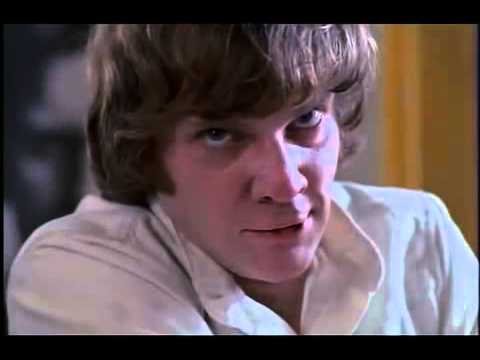
Altho while Bowie already had written Suffragette City, A Clockwork Orange influenced the final track, which was completed in early February, as well as the imagery of the Ziggy concept: Bowie would open most of his “Ziggy Stardust” shows with the film’s Moog rendition of Beethoven’s 9th, while the droog-wear of Malcolm McDowell and friends inspired the Spiders From Mars’ stage outfits what Bowie called in 1993 a “terrorist we-are-ready-for-action look.”
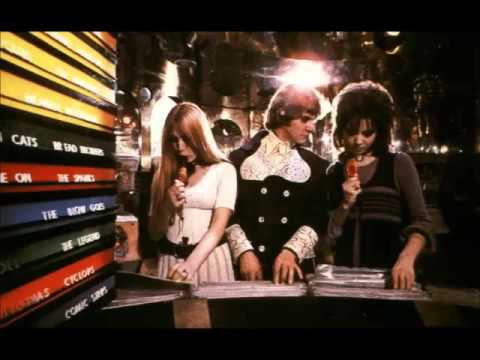
The whole idea of having this phony-speak thing—mock Anthony Burgess-Russian speak that drew on Russian words and put them into the English language, and twisted old Shakespearean words around—this kind of fake language…fitted in perfectly with what I was trying to do in creating this fake world or this world that hadn’t happened yet.
David Bowie, 1993
Bowie tried another go for Mott The Hoople by writing a song for them: “All The Young Dudes”
It was the first song I’ve written for somebody else. I thought they were a very good band. I told them I’d write them a hit single. And I did. It was easy.
David Bowie, 1972
Bowie met with the band at Gem’s offices to play them the song.
Bowie was a little nervous when he played the song. We were all crowded around him in a circle.
Verden Allen (organ player of Mott The Hoople), 2008
I knew straight away it was a hit. There were chills going down my spine. It's only happened to me a few times in my life. We grabbed hold of it. I'm a peculiar singer but I knew I could handle that.
Ian Hunter, 2009
By that time, we were completely baffled and bewildered. We didn’t know what we were doing. We were in no state to do anything for ourselves. We couldn’t believe that anybody would give All The Young Dudes away.
Dave Griffin, 1976
Bowie also offered to produce the single and Tony Defries (Bowie’s manager) offered to add them to the roster of MainMan. Ian Hunter took all the unsigned MainMan contracts to file away at home.
Even so, Defries proceeded to pay off the band’s contract with Island and negotiate a new record deal with CBS.
Bowie finally met the band during their final tour later that year.
Angela told me David had taken four hours to get ready. He was shaking, real nervous. He thought we were a lot heavier than we were … heavy duty punks. He was slightly disappointed to encounter ‘ordinary blokes’.
Ian Hunter, 2009
 Jun 16, 2020
Scary Monsters out now
 Jun 17, 2020ithaka· edited
In January, 1972 Angela Bowie invited local hairdresser Sue Fussey (who Bowie’s guitarist Mark Ronson would later marry and have kids with) to his big house in Haddon Hall (in London where Bowie lived with friends and formed his most prolific personas) to do some work on Bowie's haircut for his to become new persona Ziggy Stardust as Sue thought Bowie hair was too “Rod Stewart-ish”.
So they got their exciting new found inspiration through Christine Walton photoshoot by Alex Chatelaine for Vogue, August 1971.
On the first Saturday of that month Bowie’s 25th birthday, a party he threw at Haddon Hall with among the invited guests was Lou Reed, who was in England recording his debut self titled album, Reed's producer Richard Robinson was also there with his journalist wife Lisa.
Bowie greeted us at the door of his London house wearing the patterned Ziggy jumpsuit, red vinyl boots and his hair was chopped off in that short spiky orange style – all of it a far cry from the Greta Garbo of the year before – and I remember saying to him, 'Ahh, so you’ve seen Clockwork Orange'.
Lisa Robinson, 1990
Clockwork Orange opened at The Warner West End in London. Bowie took his Spiders From Mars bandmates as soon as possible to go see it again with them and came away with another key element for the Ziggy image:
I wanted to take the hardness and violence of those outfits – the trousers tucked into big boots and the codpiece things – and soften them up by using the most ridiculous fabrics.
David Bowie, 1993
Mick Ronson hated the outfits. He packed his bags and left. David asked me to go after him and handle it. I spent a good hour or so on Beckenham train station with him!
Woody Woodmansey (drummer of the Spiders From Mars band), 2009
Mick came from Hull. Very down-to-earth, as were the rest of the Spiders: “What do you mean, makeup?” Actually, when they realised how many girls they could pull when they looked so sort of outlandish, they took to it like a fish to water.
David Bowie, 1995
Later that month, photoshoot for Ziggy Stardust And The Spiders From Mars album sleeves by Brian Ward began.
Upstairs in the studio we did the Clockwork Orange look-a-likes that became the inner sleeve. The idea was to hit a look somewhere between the Malcolm McDowell thing with the one mascara’d eyelash and insects. It was the era of Wild Boys by William S. Burroughs, and it was a cross between that and Clockwork Orange that really started to put together the shape and the look of what Ziggy and the Spiders were going to become.
David Bowie, 1993
Photographer Brian Ward then suggested they do more photographs in the street as night was falling, and even tho Bowie had the flu, he ironically was the only one from the band willing to do it.
With a guitar he borrows from Mark Pritchett, Bowie walks in the streets under drizzling typical UK rain facing the doorway of number 23, Ward shot black and white photos from different angles:
The now famous K. West original sign was stolen precisely 20 years later, in 1992, by a fan.
It’s such a shame that sign went. People read so much into it. They thought K. West must be some sort of code for ‘quest’. It took on all these sort of mystical overtones.
David Bowie, 1993
@rwina @door @Cookies @kiddash3r @MrIndigo96
Damn you’re the best poster for Bowie history. You coming with archived material
- Jun 17, 2020·1 reply
I was in love once, maybe, and it was an awful experience. It rotted me, drained me, and it was a disease. Hateful thing, it was. Being in love is something that breeds brute anger and jealousy, everything but love, it seems. It’s like Christianity — or any religion, for that matter.
David Bowie, 1976.
- Jun 17, 2020
- Jun 18, 2020
Looking back at the last shot of the debut movie Moon by Duncan Jones (Bowie’s first child) from 2009 ...

“As long as there's sun”
- Jun 19, 2020·edited
MILESTONES
Exhibition from 1996, auctions in 1997.
This exhibition of artworks were made by various musicians with all the benefits made out from it going for War Child Charity.
All the pieces were linked by one common theme: a musician or band, who was their influence.
David Bowie along with Bono, Yoko Ono, Bryan Ferry, Kate Bush, Lou Reed, Paul McCartney and much more: for a total of 23 artists who contributed to all creating a unique piece of art work for this event around the person who represents for them, a musical milestone.
David's participation was entitled “The Walker Brothers Triptych” (in homage to Scott Walker’s teen band The Walker Brothers in the 60’s, before going solo note: no they’re not brothers): consisting of Formica, X-rays and photographs with light installation, signed on the reverse: David Bowie '96:
This is such an important piece, because it bodies Bowie’s biggest influence ever, over anything and anyone else, any other artists names you’ve heard mentioned from him in comparison don’t hold any weight to how much Scott Walker inspired Bowie over the years of his life, way early on to his final days on earth.
The last time Bowie and Brian Eno had been in a studio together was in 1979, when they were listening to the Walker Brothers’ Nite Flights. 15 years later in 1995 Bowie and Eno teamed up again to make another album together (after meeting again at Bowie’s wedding): in part a Scott Walker album.
1. Outside originally titled Leon had begun with paints and role-playing: Brian Eno assigned Bowie the part of a village storyteller.
But as the sessions in Montreux went on, Bowie considered another role; He would create a Scott Walker album! an album that Walker, apparently lost to silence, would never make.. The challenge was: where would Walker have gone after his then-last album to date “Climate of Hunter”? (from 1984, it was Scott Walker’s only album of that decade) where would he be in 1994? after he’d been reduced to a set of speculations? He’s ill. All he does is sit in a pub in Vauxhall and watch ’em play darts. He’s done with music, he’s washed up. The Sunday People had even offered a reward for Walker sightings, as if he was a Yeti.
I just decided to stop for a while and concentrate on art, painting and drawing and things like that.
Scott Walker, 1995
Both Bowie and Eno had offered to produce “Climate of Hunter” but much to his label’s irritation, Walker had declined them both.
Eno had tried again a few years later, offering his and Daniel Lanois’ services. There were a few preliminary sessions, but it didn’t work out—Walker allegedly later said of Lanois, “I didn’t get on with that guy,”Eno hadn’t the faintest idea of what Scott was up to…Scott is happy to listen to suggestions…as long as nobody tries to insist on one that’s been sidestepped. And they, as hired producers, never understood that.
Brian Gascoigne (Scott Walker’s collaborator)
But now with Bowie’s scheme, Eno could produce a Walker ghost album at last, and free of the burden of dealing with Walker.
It’s only when 1. Outside was finished, one day in early 1995 while mixing the album Bowie read in a list of upcoming releases that label Fontana was putting out a new Scott Walker album, what are the odds?
- Jun 19, 2020·edited·1 reply
Speaking of 1. Outside ...
The 1. wasn’t just stylistic, was it?!
Outside is only symbolically anguished. I think we are in for a very good time when we get to the next millennium.
David Bowie, 1995
Outside was the first time in 20 years according to Bowie himself when talking to Billboard that he had played characters, making a first since Diamond Dogs.

Photoshoot for some of the various characters of 1. OutsideAnd boy did he make the wait worth it: Bowie envisaged various projects to continue and expand the 1.Outside concept. He indicated that it was the first part of a five-album cycle, leading up to the end of the century, although this was later scaled back to a trilogy.
Ambitious, too ambitious? be careful, it can be exhausting... so let’s go through that timeline to see where it lifted only to crash.
Overall, a long-term ambition is to make it a series of albums extending to 1999 – to try to capture, using this device, what the last five years of this millennium feel like. It’s a diary within a diary. The narrative and the stories are not the content – the content is the spaces in between the linear bits. The queasy, strange, textures.
David Bowie, 1995
There even was planned to have been a CD-ROM version of 1. Outside, which was originally mooted for 1996, although it is not known whether it was ever completed or even begun?
In addition to the sequel albums, Bowie spoke of an operatic version to be staged at the 1999 Salzburg Festival. This was to have been a collaboration with Brian Eno and theatre director Robert Wilson but, as with so many of Bowie’s ambitions, it came to nothing.
I think at the back of my mind is the possibility of Tony Oursler working with Eno and I on the theatrical presentation of Outside and Contamination and what hopefully will be a third piece. His visual vocabulary is very similar to my own. And we get on extremely well whenever we do theatrical ventures together. I know there was talk of it being presented at Salzburg, Austria but I didn’t get on with the artistic director there at all. It was rather gratifying to hear that he was removed from the festival this year!
David Bowie, 2000
Altho Bowie did end up working with Tony for the video of his surprise 2013 comeback “Where Are We Now?”, maybe Outside sequels were still on his mind, after all he did mail again with Brian Eno about it.
Either way as mentioned in quote above the second album was to have been titled 2. Contamination.: Bowie spoke of the project several times during Q&As with fans. In 1998 answered a query about his future projects by saying:
No, the proposed Visconti album is a quite separate thing to the due-anytime-but-probably-not-for-a-while follow up to Outside. It will still be called Contamination though. Reeves and I have sort of started writing a number of new ideas down, in batches of styles so I think we’ll pick on one or another batch and that will become the basis for the Visconti project.
David Bowie, 1998
In 1999 he stated that just he and Eno might be the only musicians on a future installment. (the title known for this is “3. Afrikaans” although this was most likely made up by fans)
Brian and I formulated the story and decided to do the album with no other musicians, and not to meet while doing it. The music is going to be so very avant-garde that I didn’t want to lay it on my band! We’re still a couple of numbers short, but the theme is going to be incurable diseases. Diseases from ‘the Hot Zone area’ like Ebola, Aids and that new Tuberculosis that nobody knows what to do about. Those are our greatest enemies right now…
We’re going to get even more esoteric. Art with a capital A!David Bowie, 1999

Brian Eno (left), David Bowie (right), 1995(1/2)
- Jun 19, 2020·edited
In November 1999, through his own website when asked about his future plans, Bowie again spoke of plans to work again with Tony Visconti (Their collaboration would become Heathen, 2002), Bowie also mentioned a focus on writing prose, as well as the intention to go through the Contamination material, there’s hope still:
I am taking quite a bit of time off in the oncoming years specifically for the purpose of writing up any number of ideas that I have been picking over for the last while, including some straight prose.
And I’ll also be slowly sifting through the 2. Contamination tapes to see what is there (over 20 hrs!!!) and look at the possibilities for the next in the series.Plus I’ll be working throughout the year with Tony Visconti on a project that has ‘no name’ at the moment. So basically I’ll be putting in a hell of a lot of creative time over the next while and, frankly, I’m very excited about it.
David Bowie, 1999

David Bowie, 1995The following year, before work commenced on Heathen, Bowie spoke of returning to 2. Contamination:
Folks. I seriously hope that we can begin this after the Visconti album. I think the most daunting aspect of Contamination, other than the itching, is the fact that there is hours and hours and hours of sifting to do through the tapes that we recorded, some of them going back to 1994. But it will be a reality.
David Bowie, 2000
In the same month that he recorded demos for Heathen at Visconti’s home studio, Bowie revealed through his website that he had mixed some of the 2. Contamination recordings.
This is hard to believe (heh heh heh), but nothing has gotten lost. Contamination will be one of the many pieces that I will release over time. It’s just that my time has gone all elastic…
I must say that playing back and doing initial idea mixes on the Contamination material, I’ve been very pleasantly surprised at how completely nutty it sounds. I’m determined to get it out this millennium.David Bowie, 2001
THE END
The Leon Suites leaked in 2003, the year Bowie put out Reality and embarked on his lengthy final tour. By that time Bowie’s enthusiasm for 2. Contamination was fading, burned out? he claims that it had been abandoned altogether.
We did record an awful lot of stuff, and there really was every intention of going through it and putting out Part II and Part III. The second title was Contamination, and boy was that accurate. And it would have been nice to have somehow done it as a theatrical trilogy. I just don’t have the patience. I think Brian would have the patience.
David Bowie, 2003

David Bowie, 1995POSTHUMOUS?
I can’t even get started doing the next stuff on it. All together we have 25, maybe 26, hours of recorded music from that period. I keep moving on too fast. Nobody would take Outside when we first recorded it. It was held back for a year until we could find somebody to distribute it in America and by that time my enthusiasm was pretty thin on the ground. By the time it did come out I’d already started writing for Earthling. My attention span is incredibly short.
David Bowie, 1999
The tour ended as we sadly know with serious health issues, and Bowie retreated from the public eye to focus on his beautiful family, emerging only sporadically until 2013’s The Next Day. We still don’t know how much, if any, work was done on the Montreux recordings during that time, but nothing was officially released during Bowie’s lifetime, so there’s something... out there, I want to believe?! Hello Spaceboy
(2/2)
- Jun 19, 2020ithaka
Speaking of 1. Outside ...
The 1. wasn’t just stylistic, was it?!
Outside is only symbolically anguished. I think we are in for a very good time when we get to the next millennium.
David Bowie, 1995
Outside was the first time in 20 years according to Bowie himself when talking to Billboard that he had played characters, making a first since Diamond Dogs.
Photoshoot for some of the various characters of 1. OutsideAnd boy did he make the wait worth it: Bowie envisaged various projects to continue and expand the 1.Outside concept. He indicated that it was the first part of a five-album cycle, leading up to the end of the century, although this was later scaled back to a trilogy.
Ambitious, too ambitious? be careful, it can be exhausting... so let’s go through that timeline to see where it lifted only to crash.
Overall, a long-term ambition is to make it a series of albums extending to 1999 – to try to capture, using this device, what the last five years of this millennium feel like. It’s a diary within a diary. The narrative and the stories are not the content – the content is the spaces in between the linear bits. The queasy, strange, textures.
David Bowie, 1995
There even was planned to have been a CD-ROM version of 1. Outside, which was originally mooted for 1996, although it is not known whether it was ever completed or even begun?
In addition to the sequel albums, Bowie spoke of an operatic version to be staged at the 1999 Salzburg Festival. This was to have been a collaboration with Brian Eno and theatre director Robert Wilson but, as with so many of Bowie’s ambitions, it came to nothing.
I think at the back of my mind is the possibility of Tony Oursler working with Eno and I on the theatrical presentation of Outside and Contamination and what hopefully will be a third piece. His visual vocabulary is very similar to my own. And we get on extremely well whenever we do theatrical ventures together. I know there was talk of it being presented at Salzburg, Austria but I didn’t get on with the artistic director there at all. It was rather gratifying to hear that he was removed from the festival this year!
David Bowie, 2000
Altho Bowie did end up working with Tony for the video of his surprise 2013 comeback “Where Are We Now?”, maybe Outside sequels were still on his mind, after all he did mail again with Brian Eno about it.
Either way as mentioned in quote above the second album was to have been titled 2. Contamination.: Bowie spoke of the project several times during Q&As with fans. In 1998 answered a query about his future projects by saying:
No, the proposed Visconti album is a quite separate thing to the due-anytime-but-probably-not-for-a-while follow up to Outside. It will still be called Contamination though. Reeves and I have sort of started writing a number of new ideas down, in batches of styles so I think we’ll pick on one or another batch and that will become the basis for the Visconti project.
David Bowie, 1998
In 1999 he stated that just he and Eno might be the only musicians on a future installment. (the title known for this is “3. Afrikaans” although this was most likely made up by fans)
Brian and I formulated the story and decided to do the album with no other musicians, and not to meet while doing it. The music is going to be so very avant-garde that I didn’t want to lay it on my band! We’re still a couple of numbers short, but the theme is going to be incurable diseases. Diseases from ‘the Hot Zone area’ like Ebola, Aids and that new Tuberculosis that nobody knows what to do about. Those are our greatest enemies right now…
We’re going to get even more esoteric. Art with a capital A!David Bowie, 1999
Brian Eno (left), David Bowie (right), 1995(1/2)
oh what could've been

also never saw these outside pictures in good quality before
his work ethic was so crazy towards the end of the 90s man he was really catching a second wind
maybe if he didn't have the heart attack on tour we would've gotten way more output in the early to mid 2000s.
- Jun 19, 2020ithaka
I was in love once, maybe, and it was an awful experience. It rotted me, drained me, and it was a disease. Hateful thing, it was. Being in love is something that breeds brute anger and jealousy, everything but love, it seems. It’s like Christianity — or any religion, for that matter.
David Bowie, 1976.
Look up here, im in heaven

- Jun 19, 2020deepsleep
bowie with a beret @Ithaka