 Apr 18, 2022
Think i gotta go album too good
 Apr 18, 2022·2 replies


 Apr 19, 2022·1 reply
Lorde HENTAI cover from yesterday:
 Apr 19, 2022Saturday
Lorde HENTAI cover from yesterday:
https://twitter.com/lymprist/status/1516297027553882113
this is terrible
 Apr 19, 2022!https://www.youtube.com/watch?v=EslzthDFm2wCody
 so dope
- Apr 19, 2022!https://www.youtube.com/watch?v=EslzthDFm2wCody

 Apr 21, 2022
This presale is trash. Ticketmaster will forever be WOAT
 Apr 25, 2022·2 replies
Seems like she's recording more stuff

- Apr 26, 2022·2 replies


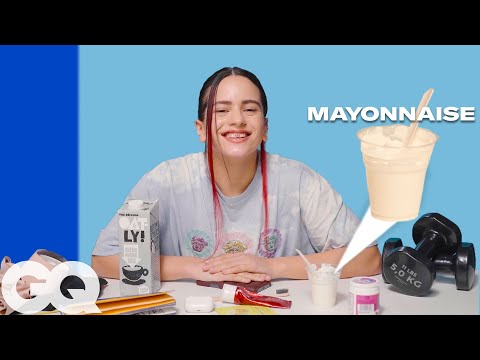
An artist’s first press cycle can calcify a life, particularly if the musician is a young woman with interests that fall outside of societal expectations. Very quickly, the story of Rosalía Vila Tobella coalesced into the myth of Rosalía. She was born in Sant Cugat del Vallès, a town north of Barcelona. When she was seven, she sang for her family and brought them to tears. At nine she started learning how to play guitar, and fell in love with flamenco at 13. She studied at the Catalonia College of Music in a program that typically accepts one student a year. She played local tablaos, as the bars and restaurants in Spain where flamenco singers and dancers perform are known, sometimes getting paid only with a free dinner. She released a debut album, Los Ángeles, which was straightforward flamenco, just a guitar and her voice. Success soon followed: the critically acclaimed El Mal Querer, based on a 13th-century novel, and a role in Spanish director Pedro Almodóvar’s 2019 film, Pain and Glory. All this set her up as a Very Serious Artist with Very Serious Intentions. It wasn’t hard to imagine what would come next. There is quite a bit of reggaeton in Motomami’s sonic landscape, along with bachata, a little dembow, and even a cover of “Delirio de Grandeza,” a 1968 bolero by the Cuban singer Justo Betancourt. It’s like Rosalía walked through the garden of her favorite music, picking different flowers and mashing them together to create new hybrids. Which explains how references to an eclectic mix of musicians—the salsero Willie Colón; the rappers Lil’ Kim and M.I.A.; the flamenco artists José Mercé, Niña Pastori, and Manolo Caracol—appear throughout. As we’re talking, she starts to call the album a “radiografía,” combining the words for radio and biography, then stops herself because she knows that’s not what a radiografía is—it’s an X-ray—but it’s somehow still a fitting portmanteau. The references further ground the project in the autobiographical: This is the music she grew up on.
- Apr 26, 2022·1 reply
- Apr 26, 2022·1 replySaturday
An artist’s first press cycle can calcify a life, particularly if the musician is a young woman with interests that fall outside of societal expectations. Very quickly, the story of Rosalía Vila Tobella coalesced into the myth of Rosalía. She was born in Sant Cugat del Vallès, a town north of Barcelona. When she was seven, she sang for her family and brought them to tears. At nine she started learning how to play guitar, and fell in love with flamenco at 13. She studied at the Catalonia College of Music in a program that typically accepts one student a year. She played local tablaos, as the bars and restaurants in Spain where flamenco singers and dancers perform are known, sometimes getting paid only with a free dinner. She released a debut album, Los Ángeles, which was straightforward flamenco, just a guitar and her voice. Success soon followed: the critically acclaimed El Mal Querer, based on a 13th-century novel, and a role in Spanish director Pedro Almodóvar’s 2019 film, Pain and Glory. All this set her up as a Very Serious Artist with Very Serious Intentions. It wasn’t hard to imagine what would come next. There is quite a bit of reggaeton in Motomami’s sonic landscape, along with bachata, a little dembow, and even a cover of “Delirio de Grandeza,” a 1968 bolero by the Cuban singer Justo Betancourt. It’s like Rosalía walked through the garden of her favorite music, picking different flowers and mashing them together to create new hybrids. Which explains how references to an eclectic mix of musicians—the salsero Willie Colón; the rappers Lil’ Kim and M.I.A.; the flamenco artists José Mercé, Niña Pastori, and Manolo Caracol—appear throughout. As we’re talking, she starts to call the album a “radiografía,” combining the words for radio and biography, then stops herself because she knows that’s not what a radiografía is—it’s an X-ray—but it’s somehow still a fitting portmanteau. The references further ground the project in the autobiographical: This is the music she grew up on.
https://www.gq.com/story/gq-hype-rosalia


 Apr 27, 2022Saturday
An artist’s first press cycle can calcify a life, particularly if the musician is a young woman with interests that fall outside of societal expectations. Very quickly, the story of Rosalía Vila Tobella coalesced into the myth of Rosalía. She was born in Sant Cugat del Vallès, a town north of Barcelona. When she was seven, she sang for her family and brought them to tears. At nine she started learning how to play guitar, and fell in love with flamenco at 13. She studied at the Catalonia College of Music in a program that typically accepts one student a year. She played local tablaos, as the bars and restaurants in Spain where flamenco singers and dancers perform are known, sometimes getting paid only with a free dinner. She released a debut album, Los Ángeles, which was straightforward flamenco, just a guitar and her voice. Success soon followed: the critically acclaimed El Mal Querer, based on a 13th-century novel, and a role in Spanish director Pedro Almodóvar’s 2019 film, Pain and Glory. All this set her up as a Very Serious Artist with Very Serious Intentions. It wasn’t hard to imagine what would come next. There is quite a bit of reggaeton in Motomami’s sonic landscape, along with bachata, a little dembow, and even a cover of “Delirio de Grandeza,” a 1968 bolero by the Cuban singer Justo Betancourt. It’s like Rosalía walked through the garden of her favorite music, picking different flowers and mashing them together to create new hybrids. Which explains how references to an eclectic mix of musicians—the salsero Willie Colón; the rappers Lil’ Kim and M.I.A.; the flamenco artists José Mercé, Niña Pastori, and Manolo Caracol—appear throughout. As we’re talking, she starts to call the album a “radiografía,” combining the words for radio and biography, then stops herself because she knows that’s not what a radiografía is—it’s an X-ray—but it’s somehow still a fitting portmanteau. The references further ground the project in the autobiographical: This is the music she grew up on.
https://www.gq.com/story/gq-hype-rosalia
Damn aesthetic already falling off smh
 Apr 27, 2022Danhust
Seems like she's recording more stuff
She spinning the block
- Apr 27, 2022!https://www.youtube.com/watch?v=f6yXD5YbT38Saturday
I don't want to watch this & find out she eats mayo on the casual
- Apr 28, 2022·1 reply
Friday
 Apr 28, 2022
la musica real a regresado
 Purrp 🌚Apr 28, 2022·1 replyDanhust
Seems like she's recording more stuff
Deluxe otw
- Apr 28, 2022Purrp
Deluxe otw
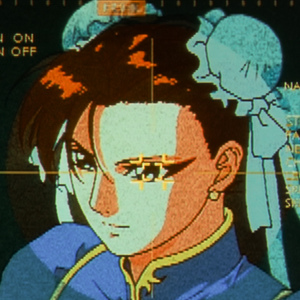
Hope she's doing some collabs for the Summer. Need Drake & Rosalía asap.
 Apr 28, 2022Danhust
Friday
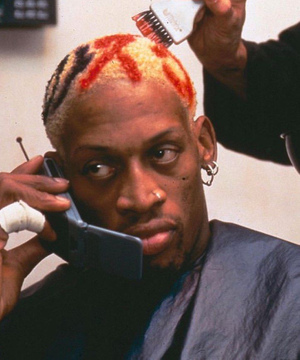
no way 😂😂
 Apr 28, 2022Saturday
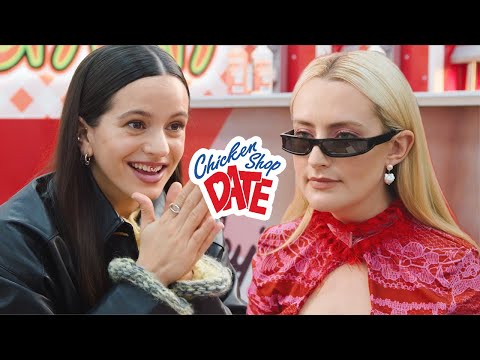
My lover
- Apr 29, 2022
 Apr 29, 2022
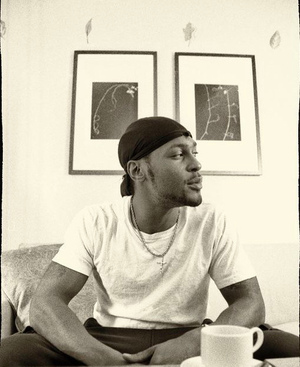
I got this or DAWN FM as AOTY rn
- May 2, 2022
 May 2, 2022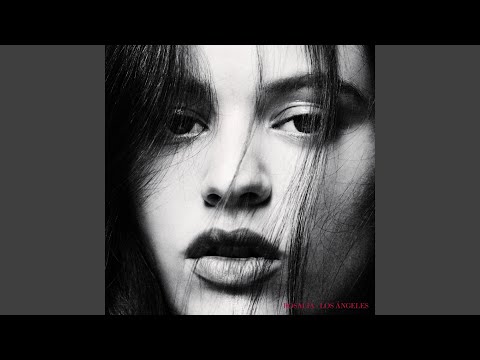
so good
- May 3, 2022
Met Gala

