 Jun 23, 2021
 pussy bacon
Thats you and david lynch
i think you might beRIGHT
 Jun 23, 2021
IT'S GOD'S TEST TUESDAY!!!!


 Jun 23, 2021·1 reply
 ARCADE GOON
In societies where capitalist conditions of production prevail, life is presented as an accumulation of spectacles. Everything that was directly lived has regressed into a mere representation.
The spectacle manifests itself in areas such as in the news, in propaganda, in advertising, in entertainment and more. However, the spectacle is not a collection of images. It is a social relation between people that is mediated by images.
The spectacle is not merely a visual excess produced by mass-media technologies. It is far more than that. It is a worldview that has actually been materialized. It is a worldview that has become an objective reality.
The spectacle contains within it an illusion. But the spectacle is not merely a decoration of our real life, it is not a filter to our real life, nor is it just a supplement to our real life. Rather, it invades our real life and takes it over like a parasite, slowly becoming real life itself. The lines between the illusion and the reality blur.
Therefore, the spectacle cannot be abstractly contrasted to real life. The spectacle that falsifies reality is nevertheless a real product of that reality: Lived reality is materially invaded by the contemplation of the spectacle, as the spectacle absorbs reality and aligns itself with it. Therefore, the spectacle is real, while at the same time, reality emerges within the spectacle. In a world that has really been turned upside down, the true is a moment of the false.
The spectacle becomes the model for the pervading way of life. It is the omnipresent affirmation of the choices that have already been made for us in the sphere of capitalist production and in the consumption resulting from that production. The spectacle is both the result and the project of the capitalist mode of production.
The spectacle – its form, its content – is a total justification of the conditions and goals of the existing capitalist system. This justification for capitalism is constantly present in our life. It monopolizes the majority of our leisurely time spent outside of work. It completely consumes our lives.
The images we see in our lives are detached from our experiences. Detached, they then are merged into a common stream. In this stream, the unity of life can no longer be recovered. Instead, fragmented views of reality re-group themselves into a new unity – a separate pseudo-world that can only be looked at. The specialization of images of the world has culminated into a world of autonomized images, a world where even the deceivers are deceived. The spectacle is a concrete inversion of life, an autonomous movement of the unliving.
The spectacle presents itself simultaneously as (a) society itself, (b) a part of society, and (c) as a mean of unification. As a part of society, it is the focal point of all vision, of all consciousness. But due to the very fact that this sector is separate from our “real life”, it is in reality a place of delusion, of false consciousness. Its unifying powers achieve nothing but giving us fluency in an official language of separation from our original conditions.
The concept of the spectacle relates with and explains a wide range of seemingly unconnected phenomena. These phenomena can often be a***yzed via the social organization of their appearances. The spectacle affirms these appearances and moreover identifies all human social life as appearances.
However, in order to describe these appearances and the spectacle floating above them, we are forced to use the spectacle’s own language. We have to operate on the methodological terrain of the society that expresses itself in the spectacle; for the spectacle is both the meaning and the agenda of the capitalist socio-economic formation. It is the historical moment in which we all are caught. We cannot escape from the spectacle as long as capitalism exists.
The spectacle presents itself as a vast inaccessible reality that can never be questioned. Its sole message is: “What appears is good. What is good, appears.” It demands passive acceptance, and due to its monopoly of appearances, its demands are always met. It is a question to which you are not allowed any reply.Both the means of the spectacle and the ends of spectacle are identical. It is the sun that never sets over the empire of modern passivity. It covers the entire surface of the globe, endlessly basking in its own glory.
The society based on capitalism is not accidentally or superficially spectacular – it is fundamentally spectacilist. The spectacle is the visual reflection of the ruling economic order. In the spectacle, goals are nothing, development is everything. The spectacle aims at nothing other than itself.
As indispensable embellishment of currently produced objects, as general articulation of the system's rationales, and as advanced economic sector that directly creates an everincreasing multitude of image-objects, the spectacle is the leading production of present-day society.
The spectacle is able to subject human beings to itself because the economy has already totally subjugated them. It is nothing other than the economy developing for itself. It is at once a faithful reflection of the production of things and a distorting objectification of the producers.
The first stage of the economy's domination of social life brought about an evident degradation of being into having, human fulfillment was no longer equated with what one was, but with what one possessed. The present stage, in which social life has become completely occupied by the accumulated productions of the economy, is bringing about a general shift from having to appearing - all "having" must now derive its immediate prestige and its ultimate purpose from appearances. At the same time all individuals’ reality has become social, in the sense that it is shaped by social forces and is directly dependent on them. Individual reality is allowed to appear only insofar as it is not actually real.
When the real world is transformed into mere images, mere images become real beings - figments that provide the direct motivations for a hypnotic behavior. Since the spectacle's job is to use various specialized mediations in order to show us a world that can no longer be directly grasped, it naturally elevates the sense of sight to the special preeminence once occupied by touch: the most abstract and easily deceived sense is the most readily adaptable to the generalized abstraction of present-day society. But the spectacle is not merely a matter of images, nor even of images plus sounds. It is whatever escapes people's activity, whatever eludes their practical reconsideration and correction. It is the opposite of dialogue. Wherever representation becomes independent, the spectacle regenerates itself.
The spectacle inherits the weakness of the Western philosophical project, which attempted to understand activity by means of the categories of vision, and it is based on the relentless development of the particular technical rationality that grew out of that form of thought. The spectacle does not realize philosophy, it philosophizes reality, reducing everyone's concrete life to a universe of speculation.
Philosophy - the power of separate thought and the thought of separate power - was never by itself able to supersede theology. The spectacle is the material reconstruction of the religious metaphysic. Spectacular technology has not dispersed the religious mists, it has merely brought those mists down to earth, to the point that even the most mundane aspects of life have become impenetrable and unbreathable. The paradise representing a total denial of earthly life is no longer projected into the heavens, it is embedded in earthly life itself. The spectacle is the technological version of the exiling of human powers into a "world beyond"; the culmination of humanity's internal separation.
As long as necessity is socially dreamed, dreaming will remain necessary. The spectacle is the bad dream of a modern society in chains and ultimately expresses nothing more than its wish for sleep. The spectacle is the guardian of that sleep.
The root of the spectacle is that oldest of all social specializations, the specialization of power. The spectacle plays the specialized role of speaking in the name of all the other activities. It is hierarchical society's ambassador to itself, delivering its messages at a court where no one else is allowed to speak. The most modern aspect of the spectacle is thus also the most archaic.
The spectacle is the ruling order's nonstop discourse about itself, its never-ending monologue of self-praise, its self-portrait at the stage of totalitarian domination of all aspects of life. The fetishistic appearance of pure objectivity in spectacular relations conceals their true character as relations between people and between classes: a second nature, with its own inescapable laws, seems to dominate our environment. But the spectacle is not the inevitable consequence of some supposedly natural technological development. On the contrary, the society of the spectacle is a form that chooses its own technological content. If the spectacle, considered in the limited sense of the "mass media" that are its most glaring superficial manifestation, seems to be invading society in the form of a mere technical apparatus, it should be understood that this apparatus is in no way neutral and that it has been developed in accordance with the spectacle's internal dynamics. If the social needs of the age in which such technologies are developed can be met only through their mediation, if the administration of this society and all contact between people has become totally dependent on these means of instantaneous communication, it is because this "communication" is essentially unilateral. The concentration of these media thus amounts to concentrating in the hands of the administrators of the existing system the means that enable them to carry on this particular form of administration. The social separation reflected in the spectacle is inseparable from the modern state - that product of the social division of labor that is both the chief instrument of class rule and the concentrated expression of all social divisions.
Separation is the alpha and omega of the spectacle. The institutionalization of the social division of labor in the form of class divisions had given rise to an earlier, religious form of contemplation: the mythical order with which every power has always camouflaged itself. Religion justified the cosmic and ontological order that corresponded to the interests of the masters, expounding and embellishing everything their societies could not deliver. In this sense, all separate power has been spectacular. But this earlier universal devotion to a fixed religious imagery was only a shared belief in a compensation for the poverty of a concrete social activity that was still generally experienced as a unitary condition. In contrast, the modern spectacle depicts what society could deliver, but in so doing it rigidly separates what is possible from what is permitted.
The spectacle keeps people in a state of unconsciousness as they pass through practical changes in their conditions of existence. Like a factitious god, it engenders itself and makes its own rules. It reveals itself for what it is: an autonomously developing separate power, based on the increasing productivity resulting from an increasingly refined division of labor into parcelized gestures dictated by the independent movement of machines and working for an ever-expanding market. In the course of this development, all community and all critical awareness have disintegrated; and the forces that were able to grow by separating from each other have not yet been reunited.
appreciate your contributions. i’d like to enlighten brother
In societies where capitalist conditions of production prevail, life is presented as an accumulation of spectacles. Everything that was directly lived has regressed into a mere representation.
The spectacle manifests itself in areas such as in the news, in propaganda, in advertising, in entertainment and more. However, the spectacle is not a collection of images. It is a social relation between people that is mediated by images.
The spectacle is not merely a visual excess produced by mass-media technologies. It is far more than that. It is a worldview that has actually been materialized. It is a worldview that has become an objective reality.
The spectacle contains within it an illusion. But the spectacle is not merely a decoration of our real life, it is not a filter to our real life, nor is it just a supplement to our real life. Rather, it invades our real life and takes it over like a parasite, slowly becoming real life itself. The lines between the illusion and the reality blur.
Therefore, the spectacle cannot be abstractly contrasted to real life. The spectacle that falsifies reality is nevertheless a real product of that reality: Lived reality is materially invaded by the contemplation of the spectacle, as the spectacle absorbs reality and aligns itself with it. Therefore, the spectacle is real, while at the same time, reality emerges within the spectacle. In a world that has really been turned upside down, the true is a moment of the false.
The spectacle becomes the model for the pervading way of life. It is the omnipresent affirmation of the choices that have already been made for us in the sphere of capitalist production and in the consumption resulting from that production. The spectacle is both the result and the project of the capitalist mode of production.
The spectacle – its form, its content – is a total justification of the conditions and goals of the existing capitalist system. This justification for capitalism is constantly present in our life. It monopolizes the majority of our leisurely time spent outside of work. It completely consumes our lives.
The images we see in our lives are detached from our experiences. Detached, they then are merged into a common stream. In this stream, the unity of life can no longer be recovered. Instead, fragmented views of reality re-group themselves into a new unity – a separate pseudo-world that can only be looked at. The specialization of images of the world has culminated into a world of autonomized images, a world where even the deceivers are deceived. The spectacle is a concrete inversion of life, an autonomous movement of the unliving.
The spectacle presents itself simultaneously as (a) society itself, (b) a part of society, and (c) as a mean of unification. As a part of society, it is the focal point of all vision, of all consciousness. But due to the very fact that this sector is separate from our “real life”, it is in reality a place of delusion, of false consciousness. Its unifying powers achieve nothing but giving us fluency in an official language of separation from our original conditions.
The concept of the spectacle relates with and explains a wide range of seemingly unconnected phenomena. These phenomena can often be a***yzed via the social organization of their appearances. The spectacle affirms these appearances and moreover identifies all human social life as appearances.
However, in order to describe these appearances and the spectacle floating above them, we are forced to use the spectacle’s own language. We have to operate on the methodological terrain of the society that expresses itself in the spectacle; for the spectacle is both the meaning and the agenda of the capitalist socio-economic formation. It is the historical moment in which we all are caught. We cannot escape from the spectacle as long as capitalism exists.
The spectacle presents itself as a vast inaccessible reality that can never be questioned. Its sole message is: “What appears is good. What is good, appears.” It demands passive acceptance, and due to its monopoly of appearances, its demands are always met. It is a question to which you are not allowed any reply.
Both the means of the spectacle and the ends of spectacle are identical. It is the sun that never sets over the empire of modern passivity. It covers the entire surface of the globe, endlessly basking in its own glory.
The society based on capitalism is not accidentally or superficially spectacular – it is fundamentally spectacilist. The spectacle is the visual reflection of the ruling economic order. In the spectacle, goals are nothing, development is everything. The spectacle aims at nothing other than itself.
As indispensable embellishment of currently produced objects, as general articulation of the system's rationales, and as advanced economic sector that directly creates an everincreasing multitude of image-objects, the spectacle is the leading production of present-day society.
The spectacle is able to subject human beings to itself because the economy has already totally subjugated them. It is nothing other than the economy developing for itself. It is at once a faithful reflection of the production of things and a distorting objectification of the producers.
The first stage of the economy's domination of social life brought about an evident degradation of being into having, human fulfillment was no longer equated with what one was, but with what one possessed. The present stage, in which social life has become completely occupied by the accumulated productions of the economy, is bringing about a general shift from having to appearing - all "having" must now derive its immediate prestige and its ultimate purpose from appearances. At the same time all individuals’ reality has become social, in the sense that it is shaped by social forces and is directly dependent on them. Individual reality is allowed to appear only insofar as it is not actually real.
When the real world is transformed into mere images, mere images become real beings - figments that provide the direct motivations for a hypnotic behavior. Since the spectacle's job is to use various specialized mediations in order to show us a world that can no longer be directly grasped, it naturally elevates the sense of sight to the special preeminence once occupied by touch: the most abstract and easily deceived sense is the most readily adaptable to the generalized abstraction of present-day society. But the spectacle is not merely a matter of images, nor even of images plus sounds. It is whatever escapes people's activity, whatever eludes their practical reconsideration and correction. It is the opposite of dialogue. Wherever representation becomes independent, the spectacle regenerates itself.
The spectacle inherits the weakness of the Western philosophical project, which attempted to understand activity by means of the categories of vision, and it is based on the relentless development of the particular technical rationality that grew out of that form of thought. The spectacle does not realize philosophy, it philosophizes reality, reducing everyone's concrete life to a universe of speculation.
Philosophy - the power of separate thought and the thought of separate power - was never by itself able to supersede theology. The spectacle is the material reconstruction of the religious metaphysic. Spectacular technology has not dispersed the religious mists, it has merely brought those mists down to earth, to the point that even the most mundane aspects of life have become impenetrable and unbreathable. The paradise representing a total denial of earthly life is no longer projected into the heavens, it is embedded in earthly life itself. The spectacle is the technological version of the exiling of human powers into a "world beyond"; the culmination of humanity's internal separation.
As long as necessity is socially dreamed, dreaming will remain necessary. The spectacle is the bad dream of a modern society in chains and ultimately expresses nothing more than its wish for sleep. The spectacle is the guardian of that sleep.
The root of the spectacle is that oldest of all social specializations, the specialization of power. The spectacle plays the specialized role of speaking in the name of all the other activities. It is hierarchical society's ambassador to itself, delivering its messages at a court where no one else is allowed to speak. The most modern aspect of the spectacle is thus also the most archaic.
The spectacle is the ruling order's nonstop discourse about itself, its never-ending monologue of self-praise, its self-portrait at the stage of totalitarian domination of all aspects of life. The fetishistic appearance of pure objectivity in spectacular relations conceals their true character as relations between people and between classes: a second nature, with its own inescapable laws, seems to dominate our environment. But the spectacle is not the inevitable consequence of some supposedly natural technological development. On the contrary, the society of the spectacle is a form that chooses its own technological content. If the spectacle, considered in the limited sense of the "mass media" that are its most glaring superficial manifestation, seems to be invading society in the form of a mere technical apparatus, it should be understood that this apparatus is in no way neutral and that it has been developed in accordance with the spectacle's internal dynamics. If the social needs of the age in which such technologies are developed can be met only through their mediation, if the administration of this society and all contact between people has become totally dependent on these means of instantaneous communication, it is because this "communication" is essentially unilateral. The concentration of these media thus amounts to concentrating in the hands of the administrators of the existing system the means that enable them to carry on this particular form of administration. The social separation reflected in the spectacle is inseparable from the modern state - that product of the social division of labor that is both the chief instrument of class rule and the concentrated expression of all social divisions.
Separation is the alpha and omega of the spectacle. The institutionalization of the social division of labor in the form of class divisions had given rise to an earlier, religious form of contemplation: the mythical order with which every power has always camouflaged itself. Religion justified the cosmic and ontological order that corresponded to the interests of the masters, expounding and embellishing everything their societies could not deliver. In this sense, all separate power has been spectacular. But this earlier universal devotion to a fixed religious imagery was only a shared belief in a compensation for the poverty of a concrete social activity that was still generally experienced as a unitary condition. In contrast, the modern spectacle depicts what society could deliver, but in so doing it rigidly separates what is possible from what is permitted.
The spectacle keeps people in a state of unconsciousness as they pass through practical changes in their conditions of existence. Like a factitious god, it engenders itself and makes its own rules. It reveals itself for what it is: an autonomously developing separate power, based on the increasing productivity resulting from an increasingly refined division of labor into parcelized gestures dictated by the independent movement of machines and working for an ever-expanding market. In the course of this development, all community and all critical awareness have disintegrated; and the forces that were able to grow by separating from each other have not yet been reunited. Jun 23, 2021
 soapmanwun

 Jun 23, 2021
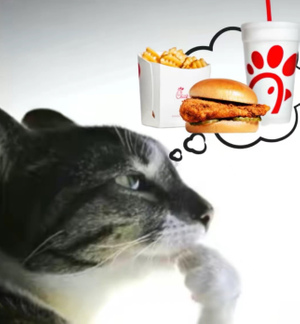
 CGI Cat
/ban blonded
 Jun 23, 2021soapmanwun
Man got x ray vision and f***ing basic b****es
- Kr0niic ☘️Jun 23, 2021·4 replies
Honestly I can’t expect much from ktt mods. It is free labor after all.
- Jun 23, 2021
- Jun 23, 2021·1 reply
stop @throwawayokay
- Jun 23, 2021·1 reply

- Jun 23, 2021Kr0niic
Honestly I can’t expect much from ktt mods. It is free labor after all.

 Jun 23, 2021·1 reply
this alt is a social study
- Jun 23, 2021·1 replyKr0niic
Honestly I can’t expect much from ktt mods. It is free labor after all.
They are very good people
- Jun 23, 2021·3 repliesblonded
t̴̗̟̗̳͖̀e̸̦̯̖͗͒̀͛è̷̳͇͖̞͙̘̓ṟ̶͆̓t̵̗̋̓̀͝s̴̫͈̙͔̃̑͒̍̐͠ ̴̖̜̣̠͓̇̾̓͌͝r̶̝͇͔͔̒́̽̿̎ͅư̸̧̫̳̖̼̮̤̰̽ơ̷̳̖̪̟̩͓̓̓͌͝ẙ̷̢̰̝̱͖͖̲̅̇ ̷̲͖̳͈̗̦͉̃͜ṫ̶͍͍͍̼͍s̶̛̛͔̉̔̿̚͝a̶̬̯̍͐̎͛̀̓p̷̨̜̱̘͖̝̏̎͘ͅ ̸̫͎͖̠̅e̷̙̥̰͔̱̔͛̉̈̐͌͆͘n̴̨̼̯͈̗̭̮͚͂̍̀̾̀̾o̷̧̫͍̣̤̤̣̙͆́͋̽̐̚l̶̡̬͍̦͆̂̉̅́a̸͉̦̰̰̒͜ ̶̦͌̔ȅ̷̙̮̯̲̅̓̐͝v̷̡̬̆i̸̪̰̿r̷̡̜̽̎̄̀̇ḑ̷̼͈̺̜̰̚ ̸̗̘̹̮̊̽̽͊̄͛̔͝ͅͅI̶̧̻̠͔̲̹̼̍͑̌̊̿ͅ ̸̡̨̫̞̦̿̇͌̓̍͂̽̉w̸̥͖̗̉̀̈͗o̵͓̤̫̼̬͑̍̉̒̈́͂͆͠n̶̲̝̮̰̩͖͋̀̃̉̀̿̋͘ ̴̻̂͒̀̋͌̈́͋,̵̩̔̇̽͗̌̓̌͜ṙ̶̙̮̝̯̣͔͐ͅẻ̸̩͖̌̉ͅv̷̡̞̦̘̮̘̘͓̈̀̃̍e̵̛͍̳̱͙̲͗r̷͎͚̣̞͚̩͂̇͗͒͗͐̎̀ǫ̴̬͇̅̇͂͐̈f̵̧̧͕͊̂ ̶̡̳̞͈̫̣̂̂̈́̕ḑ̸̲̤͖̞̻̫̃̓͊̊i̴̲̟̪͍̬͔̓͜ḁ̵̲̱͌͝s̴̝̫͋ ̵͓̫͂ü̷̧̢̧̼͇̪̾̆̐̊̚͝ͅo̴̝̭̩̿̍ÿ̸̲̦́̿͛̒̽̋ ̵̛̻̭̲͖̲̺̗̒̋͆́ę̷̧͕̮̠̫͇̻͗͆͂̂̕s̷̛̝̜̠̖͈͇͖͙̏u̴̥̞͖͍̖̯̽̕ȃ̶̲̊͐̆̄̚C̷͕͈̜͖̞͇̍́͒̏͛͑̒̕ͅ'̶̪̓̇̇̒
̴͕͙̙̭́̔̄e̵͈̭̩͉̿ṁ̵̧͉͙͍ ̴͈̠̼̎̃̃̀̅͠t̴̫̟̥́̇̾̚û̵̙̥̃ơ̷̢̡̬̘̈́̒̔ͅb̴̠̭̗̖̗̈́a̸̯̥͈̭͗̾͂͜ ̵̱͙̹̍͛ǧ̵͈̠̯̮̟̹̇̅͘ń̸̢́͐̽̕͘o̵̢̧̻͈͕̫̺̚͘s̴̮̰͚̊̾̚͠ ̸̗̱̪̺̺̬͑̔͐͐̈́t̶͖͕͗̏̚͘a̸̧͔͗̂̃́͋͒ḧ̵̢̲̮̝̼́̌͊̚͝t̸̢̖̰̱̻͑̄́͑͌̏͑͘ ̷̨̥̠̺͔̿͆̔́̇ǹ̸̨̧̧̼̝̞̹̉̇̽i̶̧͉͖͚̩̓̅̇̿̊ ̷̱͂̀̆̋ḛ̵̮̫̘̘̳͕̏̀̇͒̒̕͝ṭ̶̪̫̜͇̙̎͒͜o̶̧̗̗̭̓͊̃̆͋͐̍̈́ȓ̵̠͙̗̓͑̀̚͝w̵͎̠̙̱̓͋̈́̍ ̷͕̺̺͍̯̖̉ȗ̵͕̱̰͖̪o̸̙̲͛͐̊̃̌́̀͘y̴̛̬̙͛̑̈́̑̋̚ ̸̧͓͎̠̩̣̟̀͋̐t̸̠̰̥̺̲͑̆̈͘ǻ̴̦͔̞̕ẖ̴̭͔͕̼͉́̑̊̐̏͋͂̈w̷̜̳̲̿̄̒͒͝͝ ̵̥͛̈͛̉̆ṇ̸̹̯̦̃̀͒͆̽́̏a̴̧̦͋̽̉̇̎e̵̛̮͕̞̯̣̖̭͛̀ṁ̴̞̞͍̞̪̻̋̈́ ̵̢̥̖͈͙̰̖̝̉̿̀̽͐̈͠t̸̫̹̻̗̙͊̊̈̕̚͠'̴̡̞̯͖͈͇̘̗͐͑̒̀͒̚n̶̼̰̖͊d̸͔͕͛̇͑̅͛̄̊ì̷͉̭͕̤͎͎̓͗̒͝d̵̢̬̲̀̐ ̴̡̡̛͕̦̑͐̇͐̆̕̚ǘ̸̡̧̪̲̱̣̭̱ô̸̙̈́̄͊̋͘͠͠ÿ̴̪̠̠̺́͛̂̎̇͜͠ͅ ̶̡̜̺̝̰͛š̸̨̡̢͓̣̠̗̦ș̴̜̦̞̦́͌͊̍͘͝ȩ̷͙̼̥͕͑̏̿̀̅u̸̧̔̈́͛̋̏͠Ğ̸̰̎͒̈́̚͜͜
̷̳̲̤̯̣̲͔͛̅̑̉͆̾e̷̢̖͚̜̔̎͗͂ͅn̷͎̙͈̗̓ǫ̷̝͇̠̗̌̂g̷͔̻͓͓̟͈̜̃́͗̑̃̾̃͘ ̸̯̪̘̈́̊̋͘͠m̵̨̛̲͙̜̀͒̐̽̉'̴̯̮̯͇̝̞̩̂ͅI̴̛̮͓͉͌̏̂ ̶͎̹̿̈́͑͜ṱ̴̨̘̬͖̪̃͝ͅa̴̬̞͚̖̐̈́̒͘h̵̪͔̦̤̟̘̦̉̍̔̍̂́͝t̵̛̩͕͒̃̇̓͠ ̷̭̄̕ẅ̶̡̭͓͂o̵̧̞͇͍͚̙͎̍̿̀̐̅̈́̊͠n̵̘͔̼̞̥̅ ̶̘̪̝̻̓͋̌̓͌͝y̷̧͂ą̵͇̦̳̲̼͑̌͌̆̅͑̒̋k̵͙̓̕o̴̮̯̣̠͛̐̒̿͊̅̌ ̸̦̤͓̼͕̏̍̉̏̊̾̏̀ò̶̙̩͉̈́s̵̨͔͓̫̼̲̱̳̽̇̎ ̷̗̗̙̾̂̽̃͘e̵͓͉̔b̷̩͎̫͔̭̼̆̀́̄̈́͌̚ ̵̙̈͗̾̒̊d̶̘͓̘̠̫̝̘̣̑ļ̵̭̞̰͚̩̋͆̓͒͋͠u̶̥͌ͅơ̵͙͉̣̬̙̎̔̐̿͆̄̑c̴̡͉͉̟̝͓͕̔̂̒̉ ̸̢̟̗̀̽̓͊̍ů̴̠̩̬͕̂o̷͕̖̖̠̫̱͗y̵̧̱̿̓͋̀͋͒̔ͅ ̶̰̫̖͐̑̉͛̚͜ͅw̸̲̺͖̥̥͇̗̏̐̉͆̀̆̎̇o̶̠͆͑̋̇͆̚ḧ̵͔̹̬̟͙͉̫̝́̔̾͌ ̸͍̫̇̆̾͒̈́͋̂e̷̠̖̍̅͋ň̷͔̼̯̝̣͍͉ͅi̸̡̻̳̻̒̀̆́ǧ̴͖̊̄̂̐̄á̴̞͈͎̱̘͋̋m̵͔̦͍͉̈ḭ̶̛̌͆̐͝ ̸̘̫̌̅̓̓͜t̵̬̻̙̤̮̽̓̒͛̍̚͜͝'̵̬̫͕͓̋͗̀͒͋̑̄n̷̢̹̻̳͙̳̆͊͛͋ȧ̵̭̰̮̝̟̐̄̇̌̾́c̵̻̣̈́͛̌̈́̽̄ ̶̥͎̫̍̓͋̄̽͝͝t̸̫̞̺̜̀̉̌̽̽̔s̶̙̜͍̀̀̾͝ú̸̬̻̺̤̗̲͉͐͊̍̋͋̚j̴͇́̇̎͌̽̌̊̕ͅ ̵̧͙͉̟̻͒̈́͛́̈́̕Ḯ̸͍̈̉̄́̈̽͠ ̵̥̦̈͂̓d̸͓͇̬̹͌̓̈́͗n̷͙̊̀͝A̸͕͍̟̼̻͛͗͆
̴͉̈́̉̽̊̉e̷̹͔̤̬͊͒̂̓́̒́̋n̸̢̖̹͎̮̤͕̉̀͊͋o̵̡̦͕͐͗̋́́͝ ̷͈̈́̽͂o̷̧̧̥̺̳̠̝̔͌ň̶͖̱͖̼̦͕ ̶̠͉͑̾̐̚̕r̷̨̨̥̘̖̩͖̆o̴̫͎̱̅͂̈́͂̀͠f̸̜̪͒̆̓͋̄͐̃ ̶̮͉̯̫̀̏ẙ̴̜̱̙̜a̶͎͎̎̀̀͋̓̄̔͝w̵͈̥͓̫̮͇̭̾̀͂͗̄̉ ̴̨͔͑̍s̷̗̻̗͓͑̆̾́͝i̷̛̪̫̜͓̾̀̏̕͝h̵̲̙̠̤̖̩͇͙͊͌̉́̐̈͝t̴̖͎̎͑͘ ̸̖͆͗̋̐̒͆͝ṱ̴̘̟͚̥̅̈͐̓͛͆̆l̸̡̤͖̱͂̓́̽̀̏͠ȩ̴̣͉̝̦̟̦̔͒̎̇̓̇̀f̶̠̭͉̈̈͝ ̵̟̒͑͌̋͛̈͝ͅr̸̛̘̆͆́͆̕e̷̥̜͆͊̅̚v̷̤̝̫̩̼͕̺̝͒̓̈́̈͝ȩ̸̛̤͒̍͑̆ṇ̵͖̹̜̻̰̩̆ ̷̢̱͕̠̩̬̀̈̎̉ẹ̸̜͔̲͍͓͒̉̄̄̍̽͒͊v̴̻͛̈́͐̂̽̇̓'̸͓͇̦̭̰͖̬̳̿̇͝Į̵̇͌̓̃̈ ̶̯͔̖͍̒̏̎̃̾͛́̕ṱ̵̢̻̞̲̞͚͒̈́̽͆̀͋͘ͅu̵̻̣̣̯̪͍͉̖̿̈́b̶͉̯̭̫̩̈́̈́͊͘̚͠ ̶̗͖̜̞̪̻̦̉̍͛͋̃̓̀ţ̵̰̥̗̳͎̭̋̄͜c̶̙͚̜̠̽́̓̊̎̆̉e̵̺̖̖̜̞̋͌̇f̵̡̜̼̲̼͎̯̹͋̓̈̑̒̊r̷̩͍͇̈́͊͆̊͗̂̚ë̶͖̳͎̯̼́̾́̈́̏̓̔̓p̶̻̀̈́̔͑̊͐͠ ̷̢̡̬̳̦̼̈́̚ͅẗ̸̨͉͇̱́͠'̶̦͈̗̳̏̒̌͒̂͛̑͘ņ̷̼̦̦̄e̶̮͉͉̽͆̉̎̈́̎͝ŕ̵͎̎̐̄̌̈́̕ĕ̶̡̗̠̥̙ẃ̴̩͚̿͌͛̒ͅ ̴̗͓̜̾̇̋́́͘͝͝ȩ̷̛͙͈̦̊͆͋͐̌̏w̷̠̔̒͋̚ ̸̜̗̻̩͕̥̀̌ẇ̵͇̳̣̞͂̃̏̃͊ô̸̳̪̒̋n̸̦̼̟̄k̶̺͉̥̱̺̒̉̕͜ ̸̨̕Ǐ̶̭̦̰̯̿̀͒͜ ̵͕͆̈̈́̓͌͠d̴̡̠̟͉̣͋͋̿͑̅͆͝͝n̴̥̝̈͊̔̀̀̎Ą̴́͆͐̐
̵̺̉?̴͚͉͝͝ḙ̵̤͊̅̏́͐̈ṡ̵͖̝̖̜̣͛̌̾̚͜ͅl̷̙͎̘̐͛̒̈̊͝ȩ̵̞͈͙͚̱̗̍̈͌̿̚ͅ ̶̯͙̥͔̼̲̍́̒͠ē̷̢̯̠͓͓̳̼̦̕n̸̗̲͙̼̜͓̗̈͑ó̶̦̙̃̀͑̒ē̵͚͈̮͔͛̍̂ͅm̴̛̻̰̤͎̠͉̼̫̆̀̀͘o̵̦͒̇̈́̇̑̽s̸̳͂́́̽̓̊̑̀ ̵͕̦̭̦̅̈́͛e̶̡̲̱̤͌̉̊̋v̸̢͇͔̬̒͜ö̶͕̥̳̟̀̃͂͝l̸̢̛̬̤̼̲͑́ ̵͕̹̃̏́̓͆͐͘r̵̨͎̗͚͆̓̔́̊͛͒ë̵̻́̇̃v̵̜̖̮̤͚̺͂͆̈́̀͠͝ȩ̶̞̰̜̩͙͔̀͊͐̿̌̿͜ ̸̳͐͒I̴̻͉̫͉̋͆ ̴̳̻͈̬͆͝ḑ̸͕̘͈͔̞̽̒͌̽͘l̵̰͈̉͆̔̉̿̌̚u̶̢͗̽͆͠͠ỏ̷̱͈͙̻̣̉̏͜c̶̳͇͎̔͘ͅ ̸̝͉̱̰͇̩̏͋̂̇̍ͅw̷̝͍͗o̸̡̟͚̪͚̳͗̒h̶̪͈̖̝̀̂͂̾̆̕ ̶̺͌͊͂̉e̷̗̦̼̠͍͕̐̽̃̕ṣ̴̙͆́͗̄̍͘u̶̧͇͕͈͈̓̎̈́̌̕͠͝ă̸̯̼̈̏̇͗̐C̴̰͍̩̓͑̅̽̈́͌'̶̧̛̯̻̆̽̔̍͛̌̕
̵̰͓̦͛̿̎͠s̷̻͑̓̏͂͝b̶͕̖̫̟̑r̸̡̩͓͔̟͍͔̎͛͂̾͠ư̶̢̼̟̦̜̽̒b̸̡̃ų̶̧̝͖̲͚̖̈́͗̕͠s̷̛̼̻̀̔͘ ̸̧̺̩̘̞̯͐͌e̵̝̍̿͜h̵̠͖̠͎͚̹͂̈́̓̀͐̒͜͝͝t̷̘̲͚̍͆͑̑ ̴̫̉́̓̅͝h̷̡̤̠̜̭̠̭̾g̴̭̯̝̙̰͚̍ú̵̬̣̹̮̐͆ô̷̹̫͚̄́̓̕͘͝r̷̫̀͗̊̓̀̅h̸̩͇̋̐̃̓͐͝͠t̷̻̣̫͙̂́͐̇̑̓̈̄ ̴͍̦̩̒͌̃̾́͘ͅẹ̷̟͖̺̩̈́̀̈͠v̴̧̗͔̰̜̝̌͋̑̔̋o̸͈͔̮̮̽͂̽ṟ̵̛̫̞͉͖̈̒̾͂͘ͅd̸̨̞̝̽́͂̕ ̸̡̼̘͈̫͈̯͗͆̕͘͝ͅI̶̧̲̥̙̍̉́͛̌͜͠ ̷̗̽͂̏͝y̴̙͚̮͕͛̈́ą̸̡̬̙̪͕̿͜d̸̝̾͑̾̀ͅȯ̷̰̣̘̏̕ť̷̳̼̯̫̦͖͝ ̵̡̫̣͙̰̰̄̎̇̀̔͊̔̕,̸͉̼̼̿͋̀͘ͅh̸̢͕̞͙͉̦͈͋͑̎̅͆a̴͎͇̪͓̼͊̂̉͌̐͝e̶̢̘͍͍̺͖̅̎̀͑͑Y̸̝͖̣̫̥̝̺͠
̶̡̡̛͙͔̰̖̻̣̇̓̊̽͘͘͘t̸̢̛̂̄̑̄͑͂̕ų̴̱͎̪̘͚̟͇̒o̷̹̲̰̭̞̕b̴͔̹̟͎̜̈̏̀̅̏͜ä̷̰̭͇͖̖͚́͒̾̀͠͝ ̸̙͍̹̓͗̀̅͒́̅ͅͅe̵̯̐͂̇̓͠r̸̻̘̝̱̗̥̓͆̿̎͒͜ű̸̧̻̜͉̗̯͇̬̊c̵̭̖̫̹̙̠͌̍͌̓ẹ̷̑̆s̵̛̳͇̋͑͐̕͝ń̸̢̫̲̣̦̼̌̏͒̿̈́͊ͅï̴̘͖̟̯͚͛̇͊̚͝ ̴̗̳͕͕͍͉̂m̷̦̠͋̀̉̊'̷̞͍̬̠̜͖̔́̄͑Ị̷̧̟̰͌͋ ̶̳̹͖̞̮̻͋͂̋̓͗̚͘͘g̶͙̝̬͎͆n̷̙̏i̶̡̨̧̬̪͉̗͊̒̄̊̈́h̵̲̯͖̥̒̓͂̎̿͗͊̕t̴̡̨͓̤̫̗͊̕͜y̸̖̋̅̂̈̚͘͠r̸͇̫̰̥͛e̸̟̗̮͂͆̔͌̿͝v̷̝̣̰̪͈͇̦͐͂̅e̸̱͈̐ ̶̧̛̠͐̊̅̂͝š̷̻͍̼̝̅̆̊'̴͍̜̑̅̚͜e̷̗̊̀͊́͂̋͠h̸͕͒̉̒͗̅̃͗̚S̵̭̳͈̞̜̎̈́͋̚ͅ
̵̲̖̃͊̀͗̂̑̉͒ȩ̷̼͙̔̒́͆͊͐͘m̴̧̛̥̗̰͌̑̂͐̓̏̿ ̵̝̩̭̳̙̰̌̾̃̒͌̂̃̉n̷̢̘̘̹̼̤͔̭̂a̴̰̐̑͋͂͑ḩ̴̩̟̩͋t̴̡̹̗̦̫̜̂̉ ̶̢̰̬̼̙͙͗̇̅͐́̊́͌ͅr̶͙̖͍͍̮͗ë̴̟̹̞̜̻̟̳́ͅd̴͇̞͎̈́l̷͓͉͈͚̞͔̇́̆̚͘ŏ̶̢̞̦̄͜ ̸̢̤͍̣̼͖̀̓h̴̜̒͐̇́̓̀ͅc̵̺̼̘̙̫̥̿̐̆̍͜ū̸̻̬͚͚̭̯͚̋̎̈́̐̑͘m̴̱͓̲̦̌̊̏̑ ̷̧̮̋̂̋̽̈́̍͌ó̶̢̗̃́͌̋̑̀s̷̨͚͕̺͍̀́̈́͂́̾͊͜͝ ̴̛͉̙͆̐́̿s̶̲̙͔͐͒̈'̴̙͗̀̓͠e̵̲͇̓̅̀h̷̢̹̘̩̳̀͑̽̌̉̐̕S̴̳͈̙͖̟̟̠̚
̴̫̔̍͗ţ̷̨͔̩̳̘͈͉̆̏̈́̑b̷̛̥̅u̸̪̯̯̹̣̙̞̪͐̍͛o̵̡̦͙̟̠͉̼̙̔͌d̵̨̹̆̅͘͜ ̶̧͎̪̣̭͚̃̋̐̊̉̏͘̕e̸̞̝̙̐̊̍̀̈͐͑m̵͖̗̐̏ ̴̥̟͚̠̲͖͎̉̋̋̉e̶̢͔̮̜͔͎͆̔̔͗̿̈́͋̈́d̵̡̩̬͇̜̔̊͒ä̸̛̱͉͎̩͉̟́̽͒̾̾͋͜͝m̷̨̲̥͙̞͙̂̽͠ ̷͇̻̆̐͋ͅś̶̫͙̗̥̈́̋̾ẏ̸̖͉̟̫̞͙͓̬̍̀̔͠͝á̵͉̕w̶̖͒l̸̡̤͚̳̖̄̂͋͗̈͝ǎ̴̧̬̲͙̓̈͊͌̌ ̶̧̘̘͖̱̬͆̉̊̓̋̾̚͜͠o̴̦͖̬̫̖̣̓ḩ̵̙́̀̾͠͠Ẉ̶̧̢̍́̚
̸̡̭̬̤̫̯̞̝͆̔̂͋̈́̚l̶̠̍͛͝ͅr̴̢̻̺̫̣̺͉͈̈́́͌į̴̠̣͔̮͓͗̍g̷͉̙̕ ̸̭̘́͊̿̾͜ë̷̡̧̡͍͓́̀͆̒͜͠͠d̶͔̲͔͖̐͗̉̿͛̍͜ͅn̴͈̱̪͇̬̐ö̸͉͕̦̪́͒̌̆̀͆̽̆l̸̢̟̦̝̩͙̖̜͒̌͆͌̈͆̌̒b̴̘̹̥̖̘̝͙̯͋͑̽̈́͘ ̷̰̝̽͐͋̄͜t̴̨̡̺̺͕̹̋͐͋̐̎̆̿͜͝a̴̩͚͍͒̿̾̈̅͒͋̈́h̸̗͎̮̮̣̮͋̽͋͝t̸̢̥̖͑ ̸͕̪̣̜̥̚͝ͅͅͅh̶̨͔̠̠͕͙͆̑͌̍͒̈̐̕t̵͕̞̩̗̩̥̣͒ȉ̵͇̹̝̬͔̰̫͜ẉ̴̢̢̪̥̇̇̊͆̋͋̐ ̴̺̗͍̃́̉̈͛͛y̴̛̙̤̿́̈́̇̀l̴̢̙͙͍͕̎͂͘͘b̵̰͕̤̰̉̈̉͂̔̏a̴̰̗̪̥̥̺̫̜͐b̴̮̺̩̖̒̔͊̌̆̚ó̷̗̪̜̗̣͐̄ṟ̷̛̭̮̇͂͊́̈́̚͝p̸̙̠͈̯͈̐̓̃̃̅͛͠ ̵̨̫͚̰̬̯̍͌̆̀̑͛͜ȇ̶͍͔̓̆̌̓̒͝ͅř̶̬̘̳̬̥̿͂'̷̯͋̏̎̇̔̓ú̸̯̤̿̃͌̄͒͘o̴͙͕̦̬̍y̶̡̞̰͌̀͗̇̚͝ ̷̛̟̅̎͊͗́d̶̡̬͚̩̞͐n̷͎͆̌̿̎̊̕͝A̴͇̟̠̳̼͗̀̈͝ͅ
̸͓͚̠͙̮̜̾̾͋͛d̵̲͙͙̣̯̦̦̝͂͂̃͂̚ņ̷̣͕̩̐̑̋̃͒û̷͖͉̻͓͔o̷̳͈̒̏ŗ̶̛͍͙̹̮̜̂̊̋̊͐͐̀a̸̰̐̔ ̷̤̺̯̳̌̌ṯ̸̭̀͝'̶̪̮̟̜̀̈́ṉ̸̋̋e̴̛͍̣̭̤̝̭̰͂̄͠r̵͈͖͗e̷̳̗͕͍̲̹͌͗̄̒̂̈́̚ẉ̷̜̝͎̺͑̂ ̸̡̡͉͇̖̓̌̉̐͒̿ú̵̖͔̪̙̍̅o̴̭̰͍͚͕̣̍̀̆̊̋̏̒̓y̷̟̖̯̜͂̚͠ ̷̼̹̆̈̽͑ě̸̬̖̾͐͐͗ș̵̯̰̦̝̂̒̉͊͆ͅṷ̷̱̤̱̻̥͚͓͂̈́̐̕͘͠͝a̶̪̠͑́͌ĉ̸̱́̓̉̒'̵̡̬̑̀̈͛̍̂ ̴̧̺̣̯͈̊g̷̨̜̗͔̺͚̾́̔͗̓̍͐͆͜n̶̩̭̲̉̓̎͆̒͝į̴̛̗̳͈͊̽́͂̓̐ý̴̧̥͕̘̹̺͔̒ṟ̷͕̩͖̩͖̞͔̍̈́Ć̵͎̳̫̹
̵̼͖̯̠͖̇͑̈́̊̽͗̃s̶̞̑̅̿̂̍͠b̸͚̈́͋̃́̈́̂̅̍ṟ̶̫̈́͋̔́̆̉͊͐ͅü̶̢̗̩̱̺̞̩̿̈́̓͂͋̒͝ͅb̴̨̘͚̥̥͌͜ų̷̙̱͈͕͒̽s̶͎͊͗̅̾͒͊̕ ̶̹̥́̒͂̐͜e̸̙͑̆̈́̄̂͌͝͝ḫ̷̡͚̗̺̫̼͂̈́̈̂̕t̵̢̛̙̗̤̑͐͆̽̍̂͜ ̶̪̩̔̃͗̽̈͠ḫ̵͇͙̞̙̇̚g̴̝̪͙͍̠̐̓̒̊͛͆̊̀ų̶͔͓̫͉̭͆̉o̸͈̗̊̈́̊͝ŗ̸̠̬͙̥̗̻̣͑̀ḣ̵͍͖͓̥̄̉̑̕͘t̶͉̯̙̬̼̱̬̘̽̎͛́̚ ̵͓̘̍͗̉͋̎͗e̴̱̝̩̙̣̓͗́͐͑v̴̰̯̲̺̩̖͍̊͛̏̑̈̾͘͠o̵̱̝̦̭̼̐̇̅r̸̝̱̞̯̬̺̫̿d̴̳̙̮̯̯͙̪͂̽́͜ ̸͚̏̇I̶͍̯͝ ̷̡̌̄̃̈̕ȳ̷̨͉̻̱̼̖̝̙͂a̸̛̫͍̓̔͝d̸̡͔͕̰͑͂̅̈́̈́͐̈̆o̵̯̼̒̉̊͆t̶̡̜̦̯͆̓̄͝ ̸̫͉̩̞̭͉̔̎t̸͖̞͚̭͚͑̾̍͠ú̶̢̧̩͍̺̰͉̺͌̒B̵̨̪̗̗̫̙̩͗̄̚͝
̴͎̭̈͌ḙ̴̡̜͉̝̹̙͐̏̈́̎̽̓̉͐͜s̷̝͂̽̚͠ȗ̸͖̙̄̏͂̑͗o̷̫͚͛̓̓͜h̶̢̯̺̜͕͈̉̀ ̶̡̡̙̮̪̩̯̱̔̌̐̽r̸̰͚͙̝̻̾͂u̵̗͂ȭ̷̜̬͙̤̰͊͂̈́͊̚͝ͅy̷̧͙̺̠͙͚̻̗͋̓͒ ̶̹̼͉̃͐o̴̻͗̽͝͝ṱ̸̨̙͌̍̀̅̕͜͠ ̶̨͓̹̘̱̈́̕ͅp̶̧̻͕̏͒́̚ͅū̴̦̩̓̔̀͝͝ ̷͓̬͇̞͈̜͛̈͑̊ę̴͖͉͍͕͔͊̿̾̽ͅv̷̦̺̬͇͛̅̐̄̍̓i̵̧̟͚̻̭͕̋r̶͓̟̮͈̣̯̟̈͆̓̾d̵̫̦͕̪̙̰̪͋͒͌̍͑͜ ̶̧̛̠̹̩̓̂̉̅͛̕͠ͅy̵͖̲͑͋́̌̔͌̔́ļ̷̬͠l̵̗̣͆a̷̛͕̚ñ̵̨̺̥͇̑͝ị̴̧̡͚͇͖̌̉͋̊́͆̒̕f̸̛͖̓̄̒̾͝ ̶̡͎̗͓̞̭̅̐̂̽̅́ơ̷̜̬̪͔̩̟̪͇̈́̌̏̍̀̿́T̶̖͕̼͕̰̪̻̤̑́͆͑͛̍͘
̴͈͠ȇ̴̢̥̬̙͙̱̣̌̍ͅm̸̡̭̯̖̎̾̂͗̏̄̅͋ ̶̗̙͜͠r̷̜͖̳̹̼͊̏̅̐̎͂̇̎ͅo̴̺̖͈̦̔̚f̵̘͍͕̈̈́̿͘ ̸̝͔̜̺̦̎͛̒̔̈́͜d̵̜̬͎̙̜̅̈͝͝e̸̡̩͕̺̔t̵̪̱͇̖͕̘̂̎̒ͅi̷̧̧̲͕̙̬̥̘̓̅̒̌̍c̷̢̮͎̃͑̌ͅẍ̵̡̬͈́͛̓ȇ̶̖̗͇̰̐̂͗̋̉ ̸̦͈̗̄̀̈́̇̽̀̕ͅő̸͙̠̩̜̜͗͛̔͆̇̑͠s̸̨͕̺̞̥̘̳̿̍̉̋́ ̸̡̝̩̞̱̮̭̜̚͘͝e̸͓̦̠͋̀̒r̷̛̬̖̾̒̀̆̔͑̚ě̴̞̱̯̬̩̥͎̙̈́̂͆̄̓̔̚w̵̧̤̠̰̣̒͐͌̏̚͝͝ͅ ̸͖̖̰͌͆̇͘u̶̡̨̼͖̝̘͌o̷̮̔́̍̉̕͝ý̷̢͓̹̺̦͚̞͓͒̒͋̑͘̚͠ ̴̨̘̐̈́̓͜e̶̜͌͆̈̈̌̉̚͠s̷̥̪̳͇͈̤̑̀̚ͅṵ̵̪̪̟̗̪̹̈́͗͠a̸̡͉̜͛̆͌͌͗̽C̷̦̙̮̖̙̩̰̆́'̶̧̻͈̪̘̬̫͈͆̋͗̈̉̇
̸̡͉̳̟̞͒͛̊̈́͑̐t̵̡̖̻̽͌͂̎͌͠u̴̢̹͔̝̿̈͛ȍ̴͚̼̥̖͒̀b̴̠̋a̶͖̾̔͊ ̵̹͗͆̈́͂͛d̷̢͕̎̓̂̾e̵͓̾k̸̛̙̹͂͊̂̚͝͝l̸̲͉͚̄̌͜a̷̡̻͔̪̣͓̲͊͆̍͑̒t̸̗̼̜̋͝ ̶̨̠̲̲͈̀̏s̷̨̒̀̕͜y̸̹̜̪̘͛͗͗̈́̚a̵̻̪͓̮̐̈́̊̐̉͂̌ͅͅw̵̪͗̅͆̑͠l̶̥̒͠å̸̺͍̭̭̜̰̰̲͒͆̈͑ ̸̨̨̤͉͓̞̠͌̔́e̸͉̥̮̻͓͆̑̊̑͌́͌̿w̴̤̪̠̯͑͊̍̃́͜ ̴̘̟͔̍ė̸̡̝͎͈͓̣͚̆̊̅̉̐͂͠k̸̰̬̼̫̼͠i̶̘̭͐̽́͑̎ļ̶͕̝̦̭͌̔̆̽̑̂͗͘ͅ ̶̖̦̞̯̼̟́̐̍̐̏̕͝ṱ̸̢̳̱̳̫̙͔̄͛̀͒̒̈́͝s̴͈̮̦̀́͝ͅứ̶̛͍̮̣͚͓͎́͗̏͛͑J̸̡̧̝̫͎̤͊̽̄̒͂͆ͅ
̷͇͉̝̩̈́̏̚͜k̵̡̡̫̥̪̝̍͗̌̔͘͠ͅe̶͔̐e̷̢̱̠̦͎͖̮̪̕w̶͔̲̍́͆̂ͅ ̴̺͗͜ṱ̸̣̜̭̩͓̐͐̃̀̑̔͜͝ͅş̶̮̗̖͓͙̳̻̋͂̄͊̈́̚͠ā̶̫͕͎̹̼̈̃̎̚ͅļ̷̬̙͛̊̈́̀ ̴̭͌e̸̛̙͛̉̔s̶̢͓̻͖͌͒̕n̷̼̤͍̖̼͖̗̐ẻ̸̹̾͂c̸̦͍̩͖̘͋̓̈̑͂̅i̶̳͖̱̖̰͑̄̄l̸̢̡̤̱͕̤̙̀̔̑͝ ̴͉̣͐̆̃̅̃͛̚s̵̨̛̹͓͖͕̝̀̐̏̾̉̍͜'̸̦͗̓͘͝r̷̼̤̹̳͙̠͉̐̈́̀ͅé̵̤̒̑̿v̶̪̤̱͌ḭ̴̠̰̹̱̀͊r̸̼̜͕͈̉̈̿d̵̪̜̙̈́́̈́͒̇ ̶̛̤̫̰̩̭̳̂̍͠͠ͅý̶̼͈̗̀̓̀͑͂̉̕ḿ̵͉̫ ̵͍̊́́͛͠t̵̳̃̄ǫ̴̭̥̈̓͜͝g̴̛͓͉̹̹̺͑͑̃͛̈̿ ̶̫̯̥̖̞͕̓͋̇͊̒̚̕Ḯ̷͖̪̪̘͛̎̈́̋x517/1600x900/cdn.vox-cdn.com/uploads/chorus_image/image/52916679/Screen_Shot_2017_01_25_at_1.27.36_PM.0.png
- Jun 23, 2021·2 replies
Humans need food, water and shelter to survive. A few other things might be needed as well, like the need to take care of an infant – but overall, the things that we actually need just to survive can be counted rather quickly.
Let us observe the pre-historic era of humanity. If men and women can only work in such a way that they barely produce enough to keep themselves alive, it would be impossible for a division of labor to take place.
Craftspeople, artists and scholars could never make an appearance under these circumstances. The technical pre-requisites for specialization could simply not be attained. Instead, humans would have to deal with survival all day, every day. There would be no time and place for further advancements in humanity’s development. The only goals would be: Food, water, shelter, reproduction, childcare – similar to any animal.
History of course proves us the opposite: That men and women were able to build villages, cities, civilizations and empires, with increasingly more cultural, societal, and technological sophistication as time passed. This was only possible because we invented tools that could increase the productivity in labor. It is not a coincidence that we speak of the “Copper Age”, “Bronze Age” or “Iron Age”: With each advancement in science and technology, a higher surplus is achievable over the basic level we call “survival”. The more advanced our knowledge and technology is, the more it is possible to devote energy to tasks beyond simply surviving and reproducing.Simply put: Every step forward in the history of civilization has been brought about by an increase in the productivity of labor.
As long as the productivity of labor remains at a level where one person can only produce enough for their own survival, class division cannot and does not take place. Any social differentiation within society would be impossible. All humans (past a certain age) would be producers, and they would all be on the same economic level.
Every increase in the productivity of labor beyond this low point makes a small surplus possible, and once there is a surplus of products, once a person’s two hands can produce more than is needed for their own survival, then the conditions have been set for a struggle over how this surplus will be shared.
One of the key differences between different economics systems throughout the ages – hunter-and-gatherer economies, bartering and gift-based economies, palace-based economies, slave-based economies, feudalism, capitalism and socialism – is how this surplus of labor is organized and distributed.
Whenever there is a surplus of labor beyond what is needed for basic survival, the total output of a social group no longer consists only of labor necessary for the survival of the producers. Some of this labor output may now be used to release a section of society from having to work for its survival.
Now, a section of society can become a ruling class, whose outstanding characteristic is its emancipation from the need of working for its own survival: Does a king grow food, carry water, or build his own home? Or does he let others do it for him?
Thereafter, the labor of the producers can be divided into two parts:
1. A part of this labor continues to be used for the survival of the producers themselves. We call this part necessary labor.
2. The other part is used to maintain the ruling class. We give it the name surplus labor. - Kr0niic ☘️Jun 23, 2021pussy bacon
They are very good people
Great people!
- Jun 23, 2021Bestowed
- Jun 23, 2021
did i say alt? i mean first account lol haha
- Jun 23, 2021·1 reply
y’all 😳 this mf standing outside my window rn 😳

 Jun 23, 2021ARCADE GOON
Humans need food, water and shelter to survive. A few other things might be needed as well, like the need to take care of an infant – but overall, the things that we actually need just to survive can be counted rather quickly.
Let us observe the pre-historic era of humanity. If men and women can only work in such a way that they barely produce enough to keep themselves alive, it would be impossible for a division of labor to take place.
Craftspeople, artists and scholars could never make an appearance under these circumstances. The technical pre-requisites for specialization could simply not be attained. Instead, humans would have to deal with survival all day, every day. There would be no time and place for further advancements in humanity’s development. The only goals would be: Food, water, shelter, reproduction, childcare – similar to any animal.
History of course proves us the opposite: That men and women were able to build villages, cities, civilizations and empires, with increasingly more cultural, societal, and technological sophistication as time passed. This was only possible because we invented tools that could increase the productivity in labor. It is not a coincidence that we speak of the “Copper Age”, “Bronze Age” or “Iron Age”: With each advancement in science and technology, a higher surplus is achievable over the basic level we call “survival”. The more advanced our knowledge and technology is, the more it is possible to devote energy to tasks beyond simply surviving and reproducing.Simply put: Every step forward in the history of civilization has been brought about by an increase in the productivity of labor.
As long as the productivity of labor remains at a level where one person can only produce enough for their own survival, class division cannot and does not take place. Any social differentiation within society would be impossible. All humans (past a certain age) would be producers, and they would all be on the same economic level.
Every increase in the productivity of labor beyond this low point makes a small surplus possible, and once there is a surplus of products, once a person’s two hands can produce more than is needed for their own survival, then the conditions have been set for a struggle over how this surplus will be shared.
One of the key differences between different economics systems throughout the ages – hunter-and-gatherer economies, bartering and gift-based economies, palace-based economies, slave-based economies, feudalism, capitalism and socialism – is how this surplus of labor is organized and distributed.
Whenever there is a surplus of labor beyond what is needed for basic survival, the total output of a social group no longer consists only of labor necessary for the survival of the producers. Some of this labor output may now be used to release a section of society from having to work for its survival.
Now, a section of society can become a ruling class, whose outstanding characteristic is its emancipation from the need of working for its own survival: Does a king grow food, carry water, or build his own home? Or does he let others do it for him?
Thereafter, the labor of the producers can be divided into two parts:
1. A part of this labor continues to be used for the survival of the producers themselves. We call this part necessary labor.
2. The other part is used to maintain the ruling class. We give it the name surplus labor. Xing Ped 🎯Jun 23, 2021·2 repliesKr0niic
Honestly I can’t expect much from ktt mods. It is free labor after all.
sabsad gets paid 100k a year by ovo goons
 Jun 23, 2021
Kanye fans became convinced Christians and billionaire bootlickers after Jesus is king rants

 wolves 🐺Jun 23, 2021valeri3
this alt is a social study
samantha
- Jun 23, 2021Bestowed
- Jun 23, 2021·1 reply!https://www.youtube.com/watch?v=n53qcTM3DGsblonded
you on the left

