 Feb 13, 2022
 Monky business
 Feb 13, 2022
 ANTI
ANTIayo he got the tracklist written on that pad, can someone connect the marker dots
my first thought
 Feb 13, 2022
SAUCE
 Feb 13, 2022
ARF ARF ARF ARF
 NeonNigga23 ♻️Feb 13, 2022
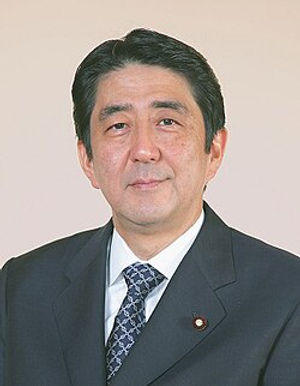 Salaryman
Who holding a gun to him rn
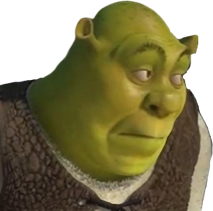

 Feb 13, 2022
Need @
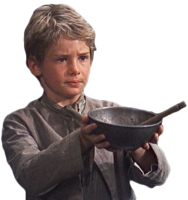
 Feb 13, 2022
This Jhene Aiko?
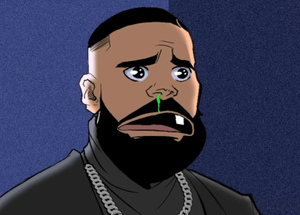 Feb 13, 2022
SOMEONE PHOTOSHOP HER ONTO THE NOTEPAD
 Feb 13, 2022
Imagine telling your estranged wife I’ll double whatever they’re paying you to stop this game!!

 Feb 13, 2022
i love this
 Feb 13, 2022·1 reply
 Aiko
Aikonot literally niggas on this website…..although its sum of yall
Just whatever you fans in his IG comments/on Twitter hyping him up making him think this s*** coo
Cuz its not lmfao
“HAHAHA F*** PETE F*** CUDI GO KANYE 😝😝😝😝”
bro when does ye ever listen to anyone
he was gonna do this regardless of what others say
 Feb 13, 2022Monky business
Oh my f***ing god
 Feb 13, 2022
he genuinely looks like a guantanamo victim

 Feb 13, 2022Monky business
- Feb 13, 2022
Ok this is getting super embarrassing , even for ye
 wolves 🐺Feb 13, 2022·1 replyMonky business
unreal
 Feb 13, 2022
Tracklist got 22 songs on it

 Feb 13, 2022
 John Madden
Damn who is that
See g&g
 Xing Ped 🎯Feb 13, 2022·3 replies
- Feb 13, 2022·1 reply
chanel uzi for those asking
- garetare ✅Feb 13, 2022·3 replies
thread crumbling. ktt3 coming soon
 Feb 13, 2022Xing Ped
- AR15 💯Feb 13, 2022·1 replyJ2422
https://www.theatlantic.com/health/archive/2018/12/kanye-west-and-dangers-quitting-psychiatric-medication/578647/
Ye is trash for spreading misinformation to his fans about psychiatric meds tbh
Among people who deal with mental-health issues, it’s mostly people who experience mania—a sustained state of intense energy, racing thoughts, and elevated irritability—who complain that their medication makes them feel creatively blunted, says Muskin. That puts people with bipolar disorder, such as West, at particular risk for quitting medication. “I can understand wanting an internally directed high by the chemicals in your brain—that’s euphoria,” Muskin says. “You spend hours at the computer, and you feel like you’re writing something brilliant.”
What’s often not clear to people in the throes of mania is that although they might be superhumanly productive, that doesn’t mean what they’re producing is good. The way mania affects perception puts people who experience it in a particularly difficult position, explains Muskin: Despite its often negative consequences, to some people it can feel like a superpower, which might lead them to internalize the idea that their illness is the source of their talent.
Based on his work with patients, Muskin likens the experience of making art while manic to how brilliant people often think they sound while stoned: “You smoke with some friends and you record your brilliant discussion of Kafka or whatever. The next day, you listen to it and say, ‘Wow, we’re idiots.’” Not only does treatment not erase your creative abilities, Muskin says, but the correct combination of medication and therapy can make you more attuned to how your work’s quality will be perceived by people who aren’t in your mania with you.
Simon Kyaga, a researcher at the Karolinska Institutet in Stockholm, Sweden, echoed Muskin’s view of medication’s potential upsides for artists. “By reducing the risk for things like depression, medications may in fact increase the likelihood of being creative,” he says. He points to a 1979 study that found that lithium was a creative boon to people with West’s diagnosis. Any treatment that makes day-to-day life more livable and survivable for artists is good for their art, he reasons.
Stigma against treatment is another big thing that keeps many people out of doctors’ offices. According to Muskin, the idea that medication’s aim is to obscure your truest self or make you a zombie can also encourage people who are on medication to quit altogether instead of seeking needed adjustments to their prescriptions.
Pharma shill
 Feb 13, 2022·1 replyMonky business
Boko Haram Biebz connection finally paid off